Al Ghadeer: Housing and Infrastructure for a New Community
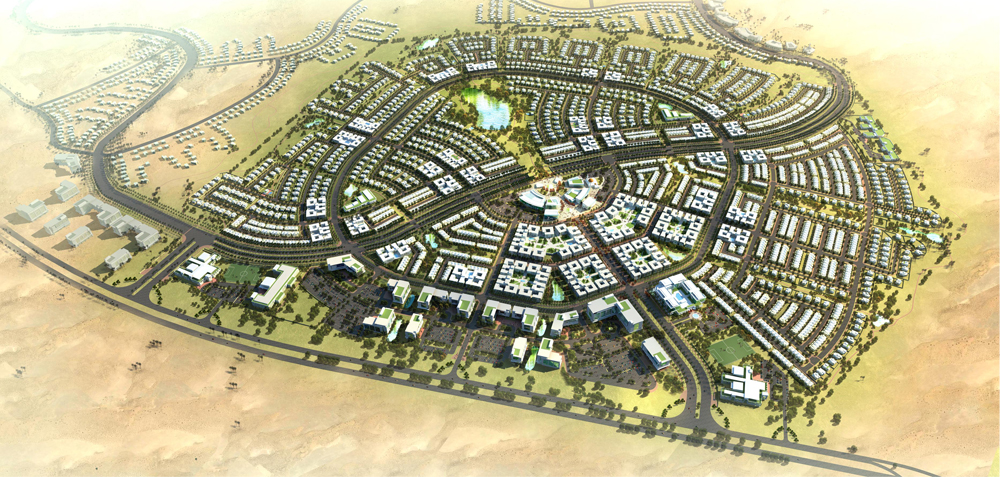
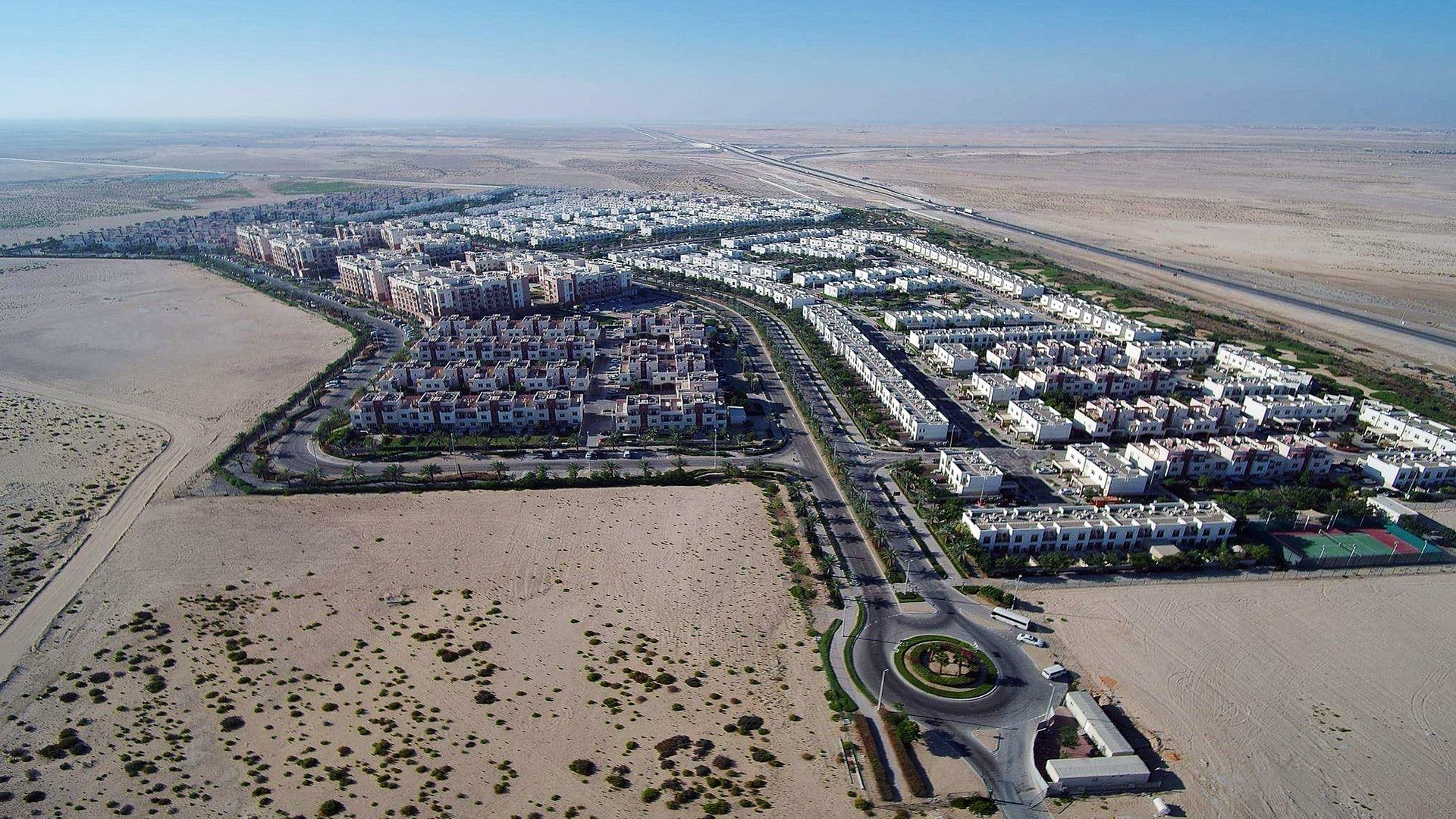
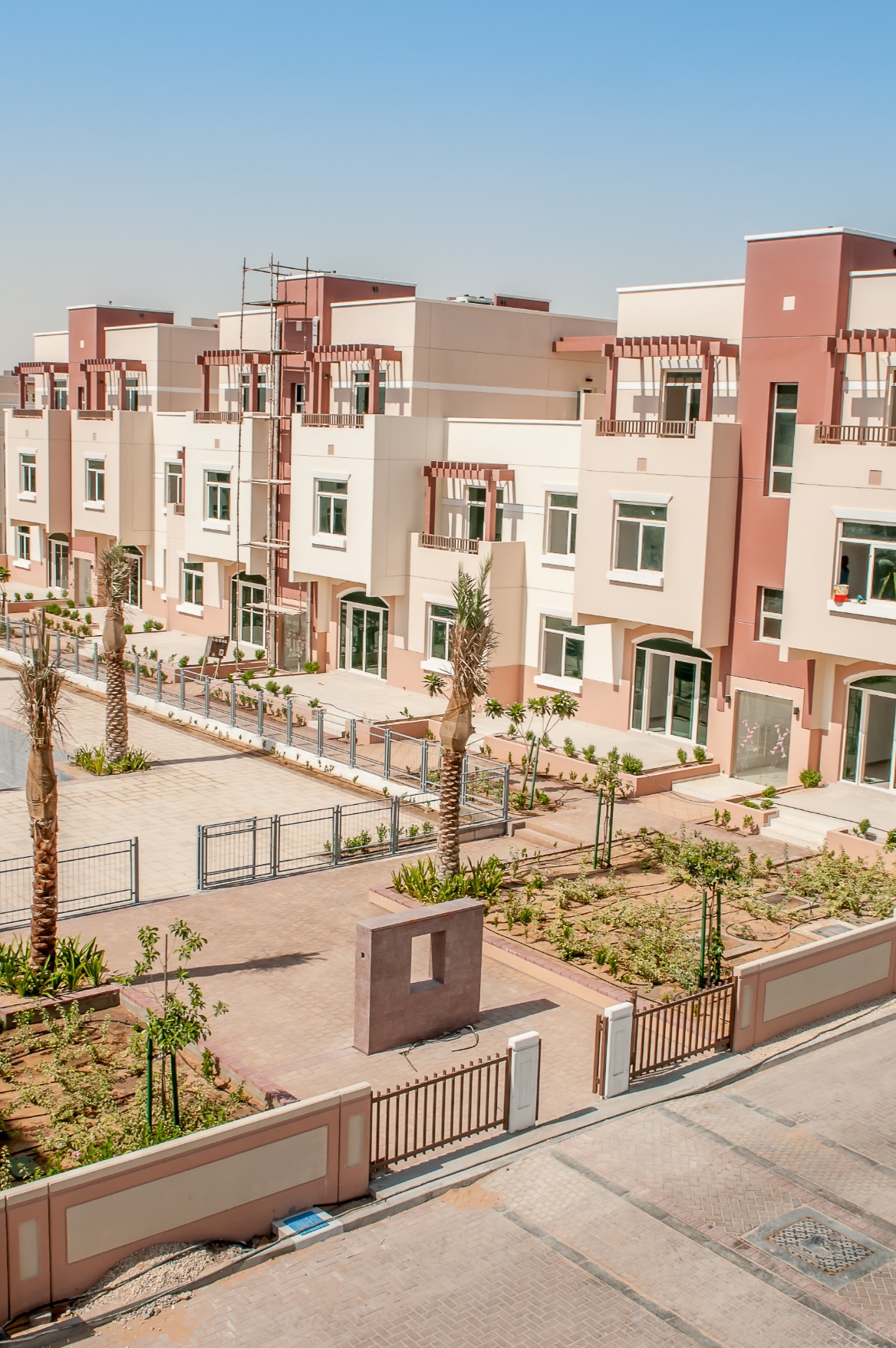
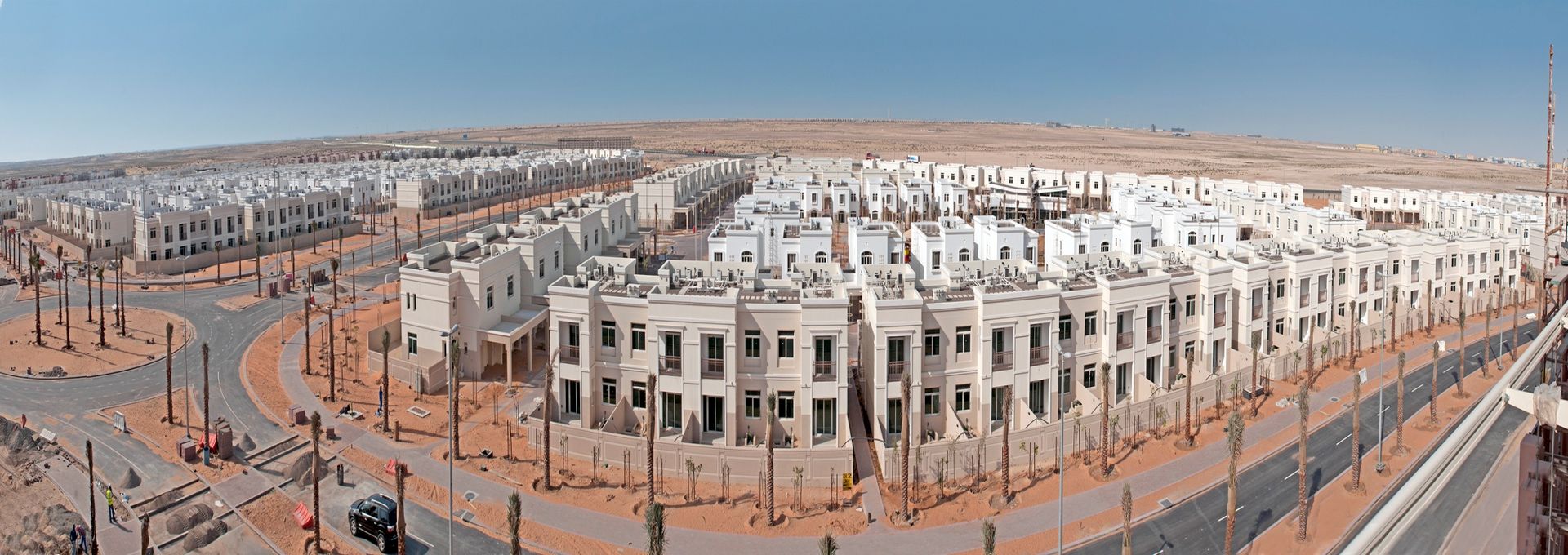
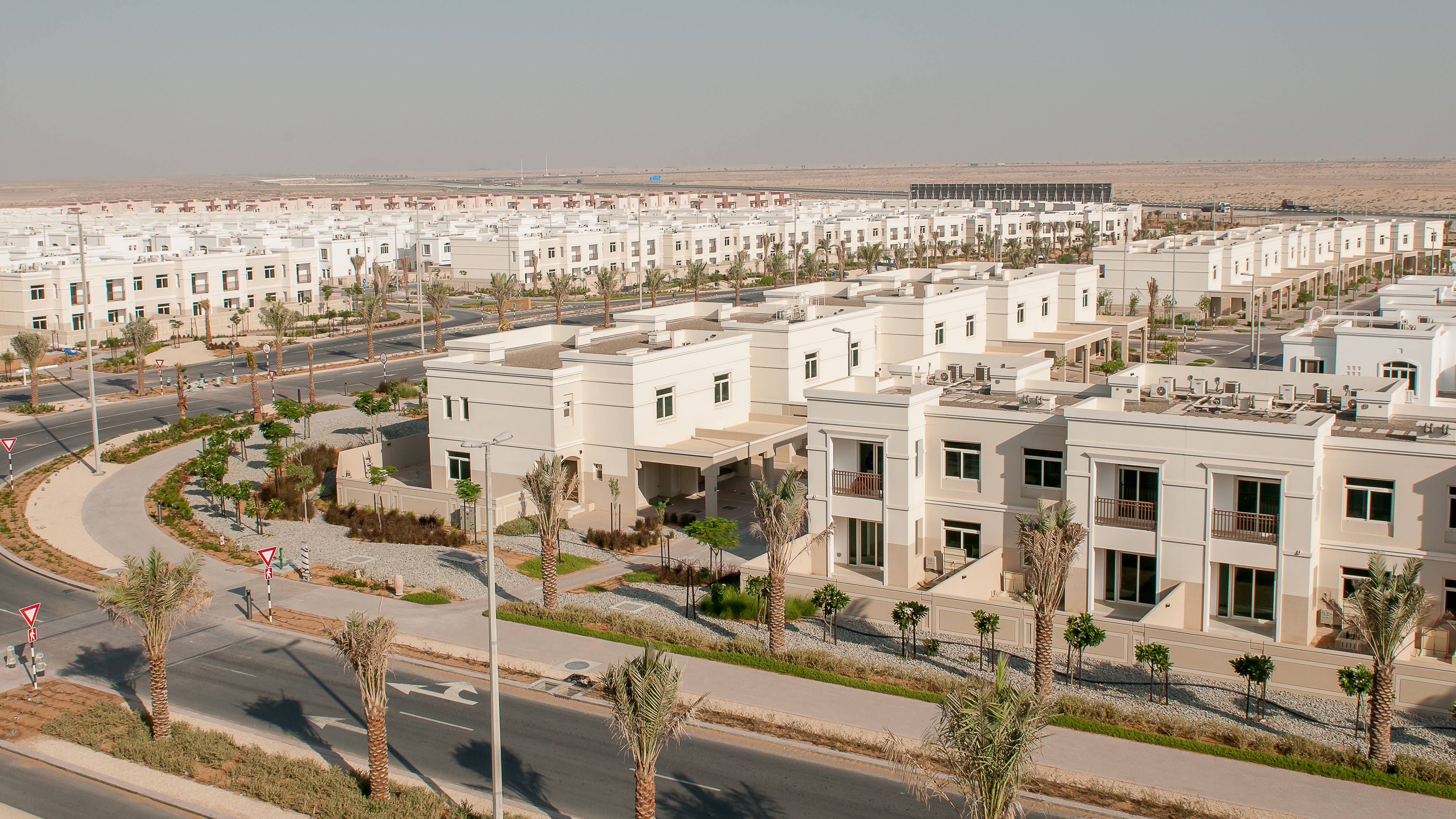
Al Ghadeer is a residential community on the border between Abu Dhabi and Dubai. A range of housing types, clubhouses and mosques is complemented by integrated utility and transport infrastructure.
Sorouh Real Estate, which later merged with Aldar Properties, developed Al Ghadeer as a cohesive community. During the first phase, the residential buildings and all utility and transport networks had to be delivered in parallel – from water, sewerage and power to telecommunications and roads.
Dorsch provided project and construction management, design management and review, and construction supervision. The team coordinated the construction of 2,130 residential units – from villas and townhouses to apartments with and without terraces – with the utility networks, internal roads and improvements to Al Faya Road. This enabled the buildings and infrastructure to be delivered as one integrated development.
Areas of Expertise
- Urbanisation
- Urban Infrastructure & Utilities
- Housing
Companies
Dorsch Abu Dhabi
Client
Sorouh Real Estate (now Aldar Properties)
Duration
From 2010 to 2012
Location
Al Ghadeer, Abu Dhabi, United Arab Emirates
Construction Costs
AED 1.2 billion (construction cost, total project)
Project Activities
Consultancy services for Phase 1 of the Al Ghadeer Housing Development, comprising 2,130 residential units, two clubhouses, two mosques and associated infrastructure:
- Project and construction management for Phase 1
- Design management and review
Construction supervision covering:
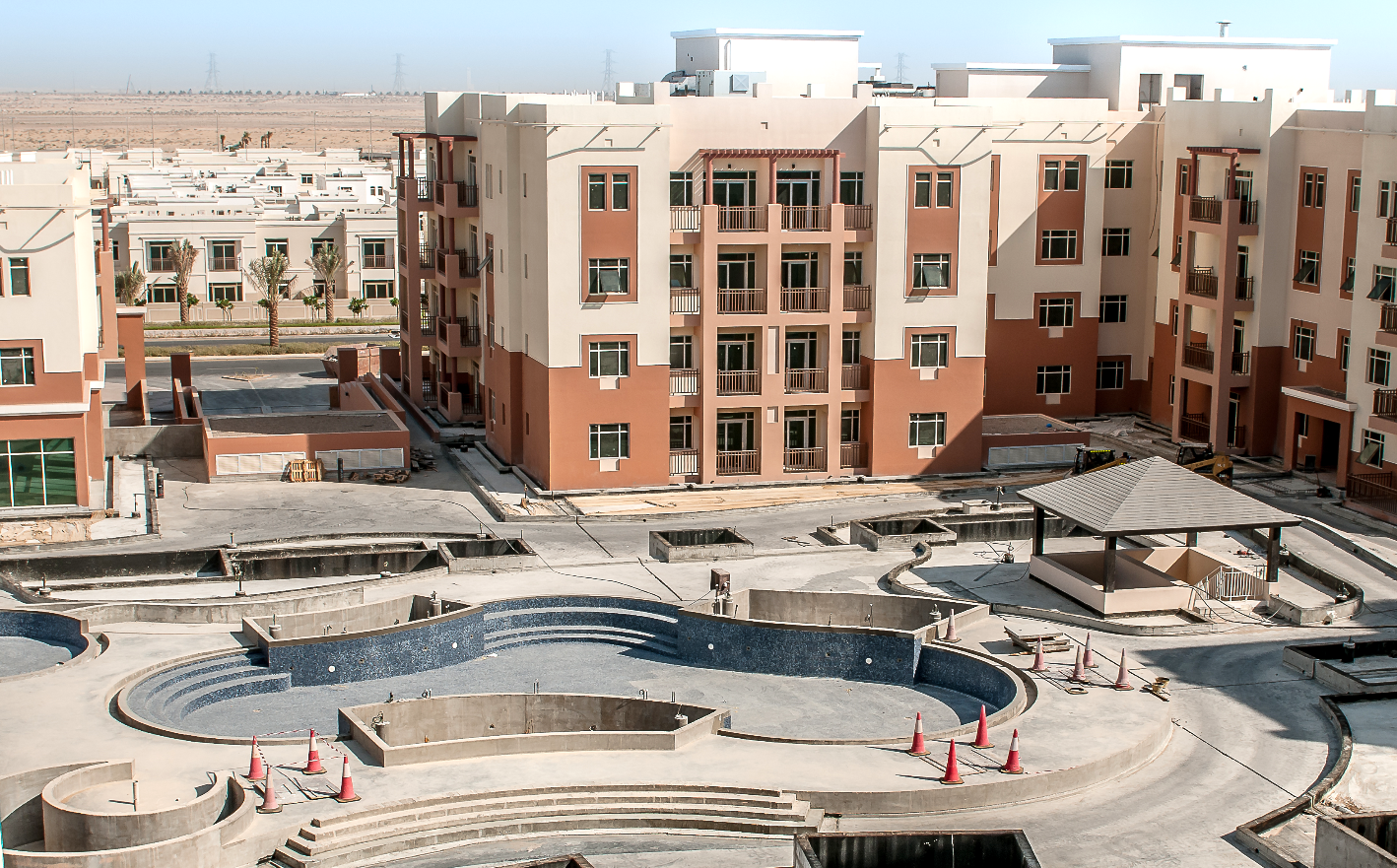
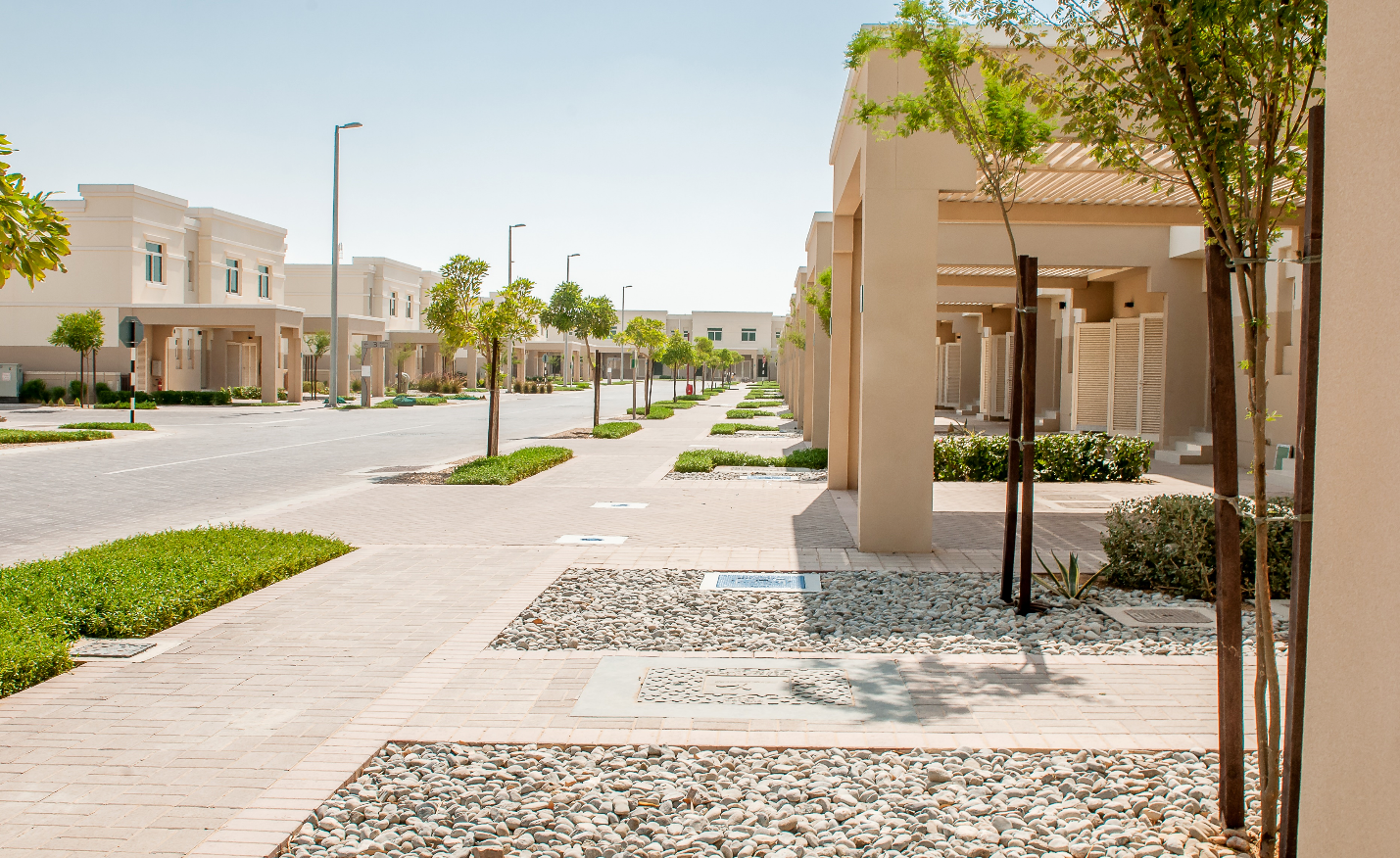
- Residential buildings: 154 villas (G+1), 518 townhouses (G+1), 798 Terrace Apartments (G+2), 661 apartments (G+2 to G+4), two clubhouses and two mosques
- Water infrastructure: approximately 16 km of potable water network, a 2,700 m³ potable water reservoir and pumping station, approximately 14 km of primary irrigation network and 4,300 m³ of irrigation storage
- Drainage and sewerage: approximately 13 km of stormwater drainage and 18 km of sewerage network, including a pumping station and sewage treatment
- Electrical and communications infrastructure: approximately 95 km of cabling, 20 substations (11/0.4 kV), street-lighting and telecommunications networks
- Transport infrastructure: approximately 10 km of internal roads and improvements to Al Faya Road
Impact
- 2,130 residential units in four housing types, comprising villas, townhouses, terrace apartments and apartments, create a varied housing offer.
- Two clubhouses and two mosques provide community and religious facilities within the neighbourhood.
- Water supply, irrigation, sewerage and sewage treatment, stormwater drainage, power distribution, street lighting and telecommunications provide the utility infrastructure for the residential community.
- Approximately 10 km of internal roads and improvements to Al Faya Road support access to and circulation within the development.
Contributing to the UN Sustainable Development Goals
We are committed to making a positive impact and supporting the UN Sustainable Development Goals (SDGs). This project contributes to the following SDGs:
Companies